Wilkes-Barre Commercial Roof Repair
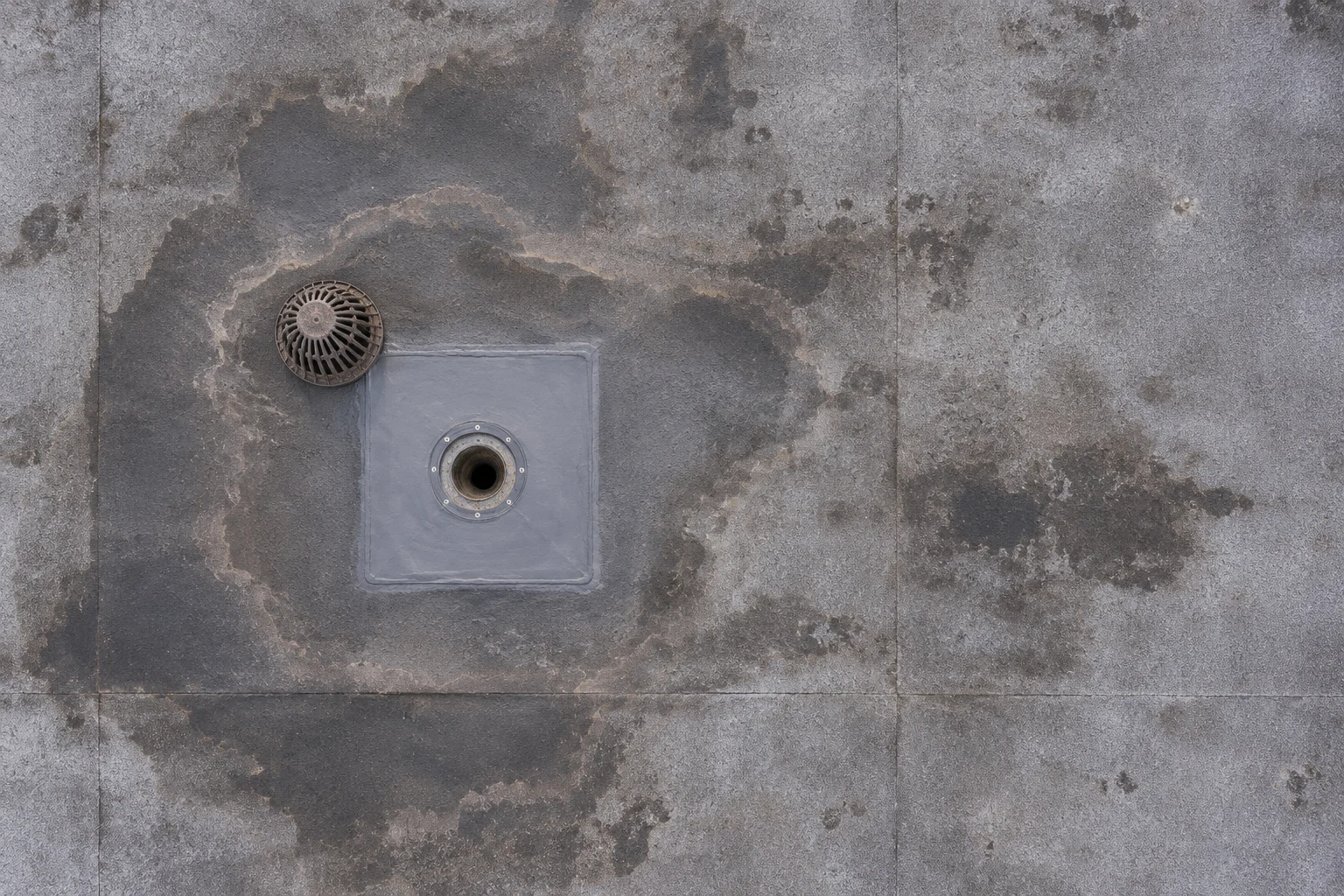
Top-down view of membrane repair around a roof drain

Wilkes-Barre Flat Roof Repair Contractor

Restore Membrane Connections Around Seams and Roof Drains

Wilkes-Barre flat roof repair closes damaged membrane details and replaces affected roof materials after inspection identifies the entry point.

Flat Roofs Metal Panels Industrial Roofs

Wilkes-Barre Flat Roof Repair Work

Wilkes-Barre flat roof repair covers membrane seams, drain flashing and affected roof sections. We inspect the surrounding covering and moisture before preparing the connection for permanent work.

Membrane Openings

Punctures and open seams require an exposed, clean repair boundary. We identify the existing membrane before selecting matching repair materials. Surface dirt, old patch layers and moisture affect preparation, so the edge of a patch is established from the condition found on the roof.

Drain Connections

A leak at an outlet calls for inspection of both the membrane connection and the drain body. Repair work can include removing damaged flashing and rebuilding the connection. Plumbing faults beneath the deck need their own correction before the surrounding roofing is closed.

Section Replacement

Wet insulation and damaged support change the size of a flat roof repair. We remove affected materials to a defined boundary, then reconnect the replacement section to serviceable roofing. The visible hole alone cannot establish how much of the concealed assembly needs attention.

Attachment and Movement

Wrinkled membrane beside a wall or curb needs closer inspection before it is covered. We examine the transition and attachment for continuing movement. Rebuilding the detail requires a stable edge and enough room for the selected flashing to connect correctly around the roof feature.

Flat Roof Repair Conditions in Wilkes-Barre

Flat Roof Repair in Winter

Frozen moisture and slick surfaces affect both access and preparation. We check the actual working conditions and the repair material's requirements before starting permanent work. Temporary protection and the later membrane repair have separate purposes and need to be identified clearly.

Flat Roof Ponding Water Repair

A ponding ring marks where water has stood, but it does not identify the cause. Inspection covers outlets, debris, insulation shape and the roof support. We repair damaged membrane while separating surface work from any correction needed to restore the drainage route.

Repeated Seam Openings

A seam that opens beside several earlier patches needs a wider look at adhesion and movement. We examine the repair layers and the underlying connection. Removing failed material gives the next repair a clear boundary instead of adding another unsupported edge over the same defect.

Damage Beside Walkways

Traffic near rooftop units can leave cuts or worn areas outside the intended walking route. We inspect the membrane around the access point and repair damaged sections. The maintenance route also needs consideration so later equipment visits do not cross newly repaired details unnecessarily.

Benefits of Flat Roof Repair for Wilkes-Barre Buildings

Close an Identified Entry Route

Repairing a confirmed membrane opening addresses the place water enters the assembly. The work follows leak investigation rather than the shape of an interior stain. That connection between source and repair helps keep the scope focused on a defect that roofing work can correct.

Replace Damaged Insulation

Opening a defined section allows wet or deteriorated insulation to be addressed during the roof repair. We establish the replacement boundary from findings in the assembly. Covering an opening without examining affected layers leaves uncertainty about the condition beneath the new patch.

Rebuild Vulnerable Transitions

Flashing at a wall, curb or drain carries the roof covering around a change in shape. Repairing that transition restores a continuous connection between adjoining materials. Preparation includes the corners and attachment points where a small break can let water enter behind an otherwise intact field.

Keep Serviceable Roofing

A local repair retains roofing that can support the new connection. Inspection distinguishes isolated defects from broader membrane deterioration. Where damage extends beyond the practical repair boundary, we explain the replacement area needed instead of assuming that every roof can accept another surface patch.

A Flat Roof Connection Has Opened

We can inspect the membrane and affected layers before defining a patch or replacement section.

(272) 271-4237

Call Us

Our Flat Roof Repair Process in Wilkes-Barre

1

Inspect Your Roof

Begin with the leak location, rainfall timing and safe roof access. We inspect seams, curbs and drains near the affected interior area, then follow evidence beyond that area where needed. The inspection establishes which part of the flat roof assembly requires repair.

2

Prepare the Repair Boundary

Remove loose material and failed patch layers from the affected connection. Preparation follows the identified membrane and repair system. Any opening into the assembly is planned with interior protection and weather exposure in mind before damaged insulation or roofing is taken out.

3

Rebuild the Roof Detail

Install the selected repair materials over the prepared area and reconnect the detail to the surrounding roof. Drain, curb and wall repairs each have different shapes and attachment needs. The work addresses the complete connection, including the edges that will carry runoff past the repair.

4

Check the Finished Connection

Examine the repaired seam or flashing after installation using checks appropriate to the system. We identify any remaining drainage or support issue separately. The owner receives an explanation of the repaired area and the details that should be watched during later roof maintenance.

Questions About Wilkes-Barre Flat Roof Repair

Why Does My Flat Roof Leak in Heavy Rain?

Heavy rain can expose an opening that receives little water during a lighter shower. We inspect the drainage route and membrane connections near the reported leak. Restricted outlets, defective flashing and open seams require different repairs, so the roof investigation connects the rainfall pattern with the actual damaged detail.

Flat Roof Patch vs Replacement: How Is the Boundary Chosen?

A patch needs surrounding material that can accept its connection. We examine the existing membrane, moisture extent and support before deciding whether a local patch or replacement section fits. Widespread deterioration calls for a broader recommendation, while a defined defect can often be treated within a limited area.

Should an Old Patch Be Removed Before New Work?

An old patch is assessed for attachment, compatibility and concealed damage before new material is installed. Loose or unsuitable layers interfere with preparation and should be addressed in the repair scope. Removing those layers also exposes the original detail, helping establish a more reliable edge for the next connection.

Can permanent flat roof repairs proceed on an icy surface?

Permanent work needs a safe, prepared surface and conditions that meet the selected repair system’s requirements. Ice can prevent access and leave moisture at the connection. We assess those conditions before opening the roof and identify any temporary protection separately from the permanent membrane or flashing repair still required.

Why might heavy rain reveal leaks beside a commercial roof drain?

A heavy shower can send water toward a restricted outlet or expose a weakness in its roof connection. We examine the drain, adjoining membrane and nearby flashing before repairing the area. The diagnosis also checks whether another opening sends water toward the same interior location beneath the roof.

Does filling a low roof area with patch material correct ponding?

Filling the visible low spot does not establish why runoff remains there. We inspect outlet height, debris, insulation shape and signs of deck movement before choosing the correction. A membrane repair addresses damaged roofing, while changing the drainage geometry can require work beneath or around the surface covering.

What determines whether a flat roof defect needs patching or section replacement?

The choice depends on the condition of the membrane and the layers below the defect. A patch needs a prepared edge that can accept a compatible connection. Where wet insulation, weakened support or deteriorated covering extends farther, removing and replacing a section provides the boundary required for the repair.

Get an Estimate for Wilkes-Barre Flat Roof Repair

A split seam or leaking drain needs a repair boundary based on the roof condition. Describe the affected area to begin discussing your flat roof.

Call (272) 271-4237